
What is NUT carcinoma?
NUT carcinoma, formerly known as NUT-midline carcinoma, is a rare but very aggressive cancer that can develop anywhere in the body but usually starts in the head, neck, and lungs. It’s a squamous cell cancer — meaning it begins in squamous cells, which line hollow organs such as the windpipe and lungs — and is most common in young adults but can occur at any age.
Its defining characteristic is a genetic alteration known as a fusion oncogene, which occurs when parts of two genes get stuck together to form a cancer-causing gene. In the case of NUT carcinoma, the NUT gene is joined to another gene – usually BRD4, but sometimes other genes.
NUT carcinoma was identified in the early 2000s by researchers at the Dana-Farber/Harvard Cancer Center. In studying tumor cells from young patients with aggressive head and neck or squamous cell cancers, Christopher French, MD, and his colleagues found the abnormal fusion oncogene associated with the disease.
How common is NUT carcinoma?
It is diagnosed in about 500 people in the United States each year. Experts believe, however, that it may be more common than that figure indicates. Because it is rare and requires specialized lab tests to diagnose, many patients may initially be misdiagnosed with other types of head and neck or lung cancers.
What are the symptoms of NUT carcinoma?
In its early stages, NUT carcinoma often doesn’t produce any symptoms. As the cancer grows, symptoms such as fatigue and weight loss may develop. Depending on the location of the tumor(s) within the body, other symptoms may occur, such as:
- painless lump
- pain
- persistent cough
- shortness of breath
- nasal congestion or obstruction
These symptoms can also be unrelated to cancer. The best way to identify the cause of any new symptoms is to talk with a medical professional.
How is NUT carcinoma diagnosed and treated?
Diagnosis involves testing tumor cells for the NUT fusion gene using a variety of specialized techniques. At the Dana-Farber Brigham Cancer Center, specialists develop a personalized treatment plan for each patient. Treatment may include:
- Participation in a clinical trial
- Chemotherapy
- Surgery
- Radiation therapy
- Combinations of the above
What clinical trials are here for patients?
Dana-Farber and its allied hospitals have one of the only clinical trial programs in the country dedicated to finding better treatments for NUT carcinoma. Having led research in the disease since its discovery, Dana-Farber and its partners are uniquely positioned to make advances against this rare cancer.
Currently, Dana-Farber investigators and their colleagues are leading four clinical trials for patients with NUT carcinoma:
- A study of a new combination of drugs – the chemotherapy agents etoposide and cisplatin plus a drug known as a BET bromodomain inhibitor, which blocks the production of proteins that spur tumor cell growth.
- A study of a BET bromodomain inhibitor plus a drug known as a CDK4/6 inhibitor, which halts the cycle of tumor cell growth and division.
- A study of a compound known as EP31670, which is both a BET bromodomain inhibitor and an inhibitor of CBP/p300, a cell protein that helps switch on genes that are often active in cancers such as NUT carcinoma.
- A study of KB-0742, a compound that blocks a protein called CDK9, which, like CBP/p300, helps activate key genes in NUT carcinoma and other cancers.
For more information on NUT carcinoma treatment and research at Dana-Farber and its partnering hospitals, click here.
About the Medical Reviewer
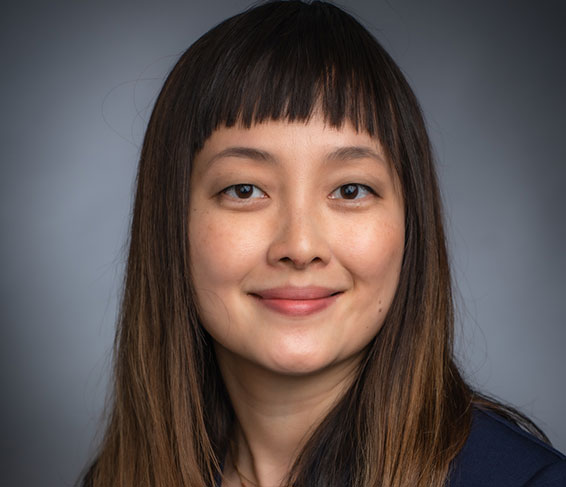
Dr. Luo is a medical oncologist who specializes in care of people with lung cancer. Her approach to clinical care and research is informed by her unique background - learning laboratory research, programming, and clinical research skills during her training at institutions across the country. Dr. Luo strives to provide personalized compassionate care for patients and their families. Her research focuses on developing better treatments and treatment strategies by studying the genetic and immune characteristics of lung cancers. She also leads and develops clinical trials testing anticancer medicines that target cancers driven by these changes. Dr. Luo works with colleagues spanning the specialties involved in the care of people with lung cancer to develop the best treatment plans to increase the chance of cure.