Five Things To Know About Colorectal Cancer

Written by: Dana-Farber Staff
Medically Reviewed By: Jeffrey Meyerhardt

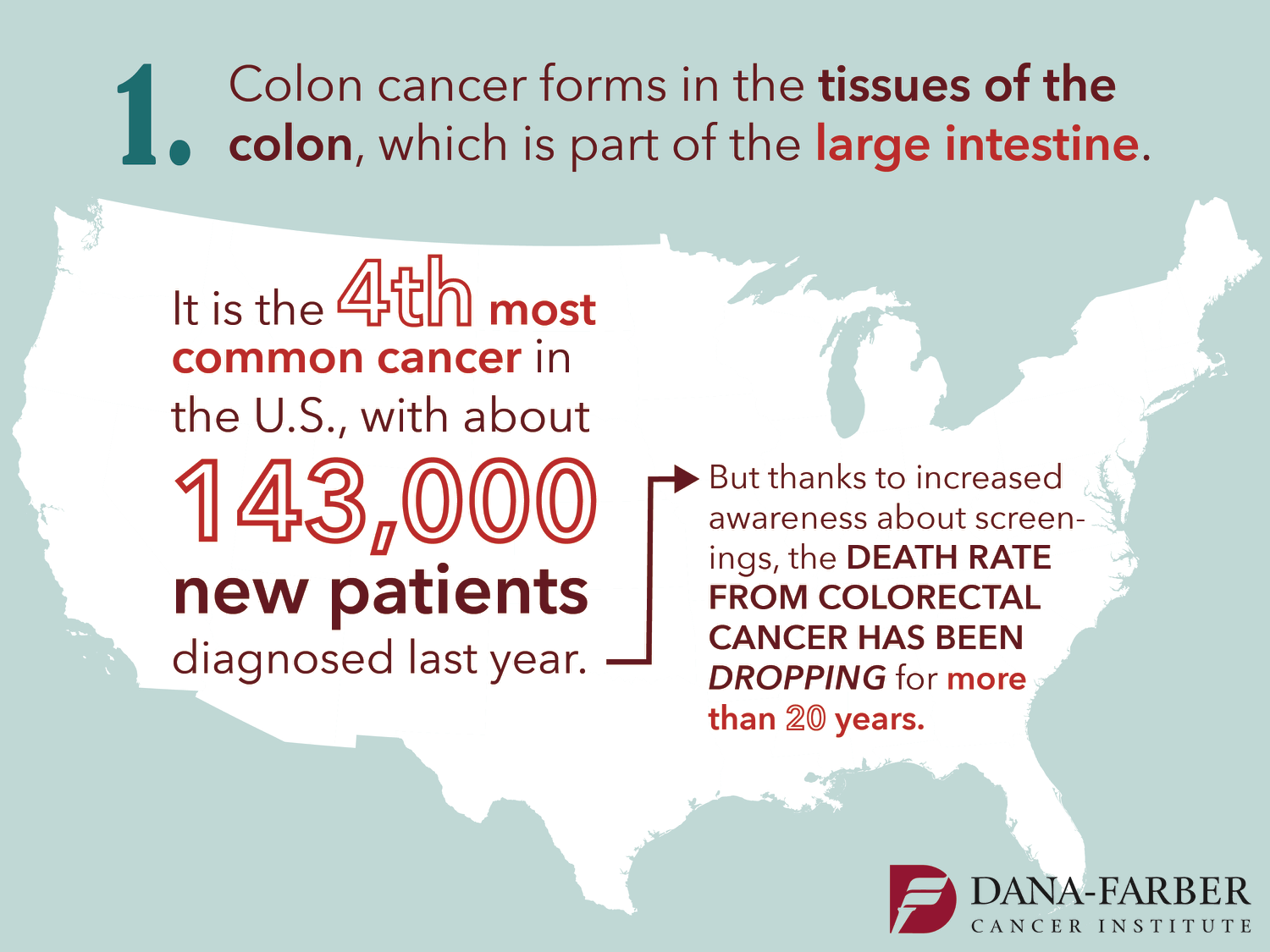
Colorectal cancer begins as a growth of abnormal cells within the tissues of the colon, a part of the large intestine and rectum. Colorectal cancer can affect digestion, bowel habits, and overall health. More than 150,000 new cases of colorectal cancer are diagnosed in the United States each year, making it the fourth most common cancer in the United States.

An image of colon cancer, with cancer cells forming circled structures. Photographed by Shuji Ogino, MD, PhD.
Colon cancer cells.

Colorectal cancer incidence in the United States is declining rapidly overall, but is increasing among young adults, according to the latest research from the American Cancer Society.

Dana-Farber’s Colon and Rectal Cancer Center is dedicated to treating patients with this disease.

What are the risk factors for colon cancer?

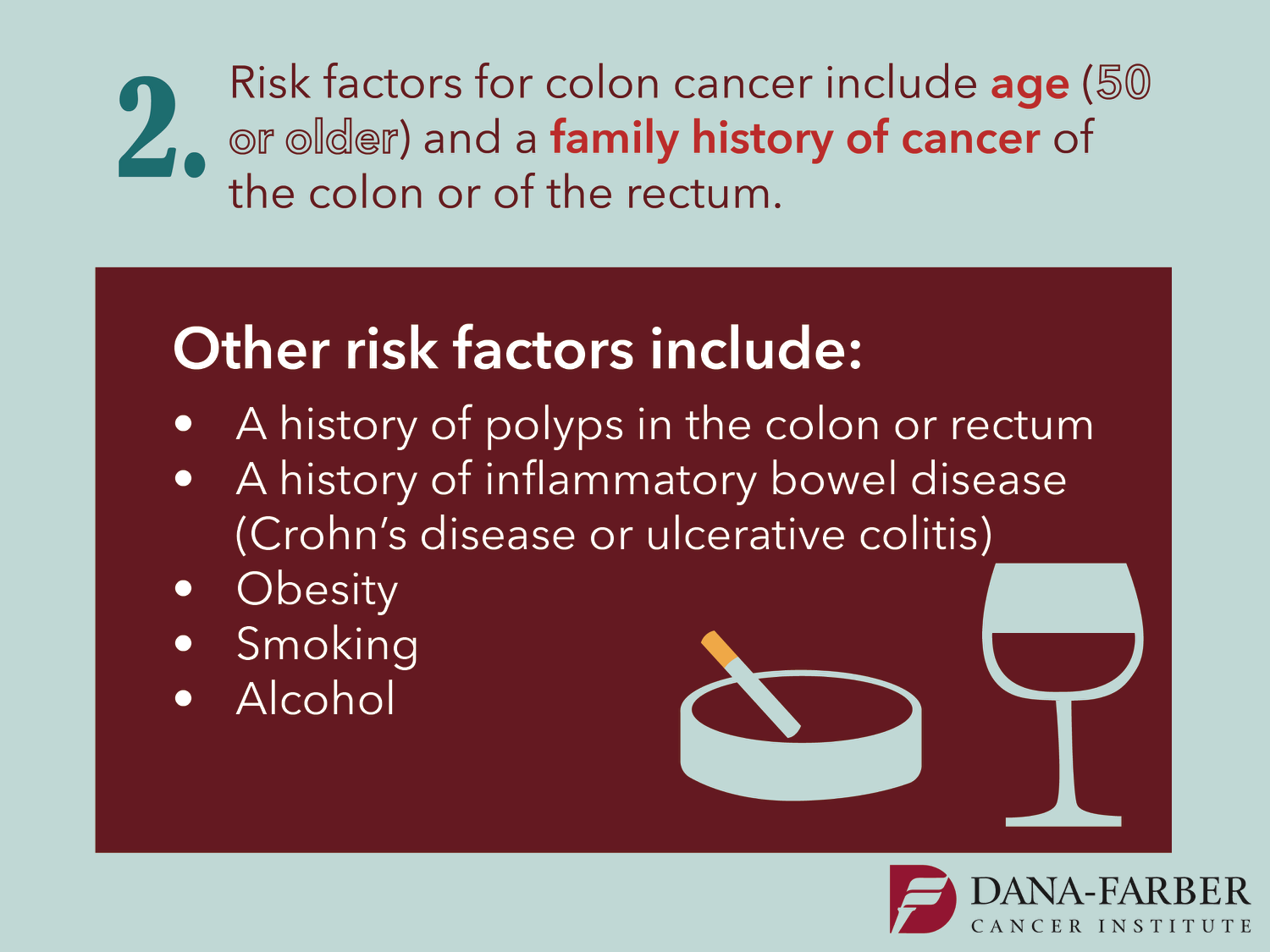
Typically, those over 50 or with a family history of colon or rectal cancer have a higher risk for this disease, but young adults should be aware of their risk too, whether it be lifestyle or genetic.

Other risk factors include:

  • A personal history of polyps in the colon or rectum
  • A personal history of inflammatory bowel disease such as Crohn’s disease and ulcerative colitis, which both affect the lining of the digestive tract.
  • Obesity
  • Alcohol use
  • Smoking
  • Inactive lifestyle
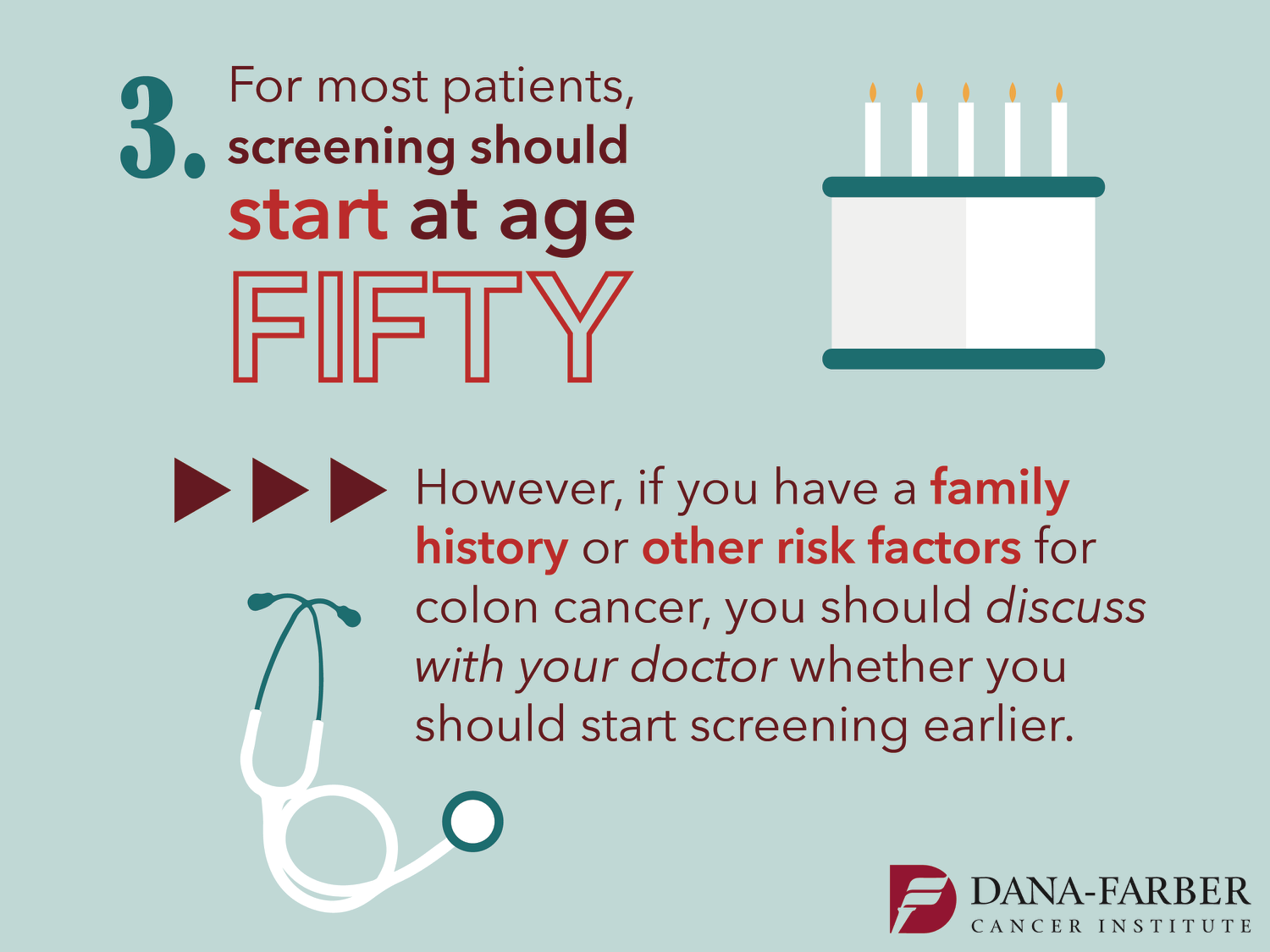
  • Consult with your doctor to review your risk factors and discuss whether you should start screening earlier than age 45. Learn more about what you can do to find your risk for cancer with Dana-Farber’s Cancer Genetics and Prevention treatment center.

What are the signs and symptoms of colon cancer?

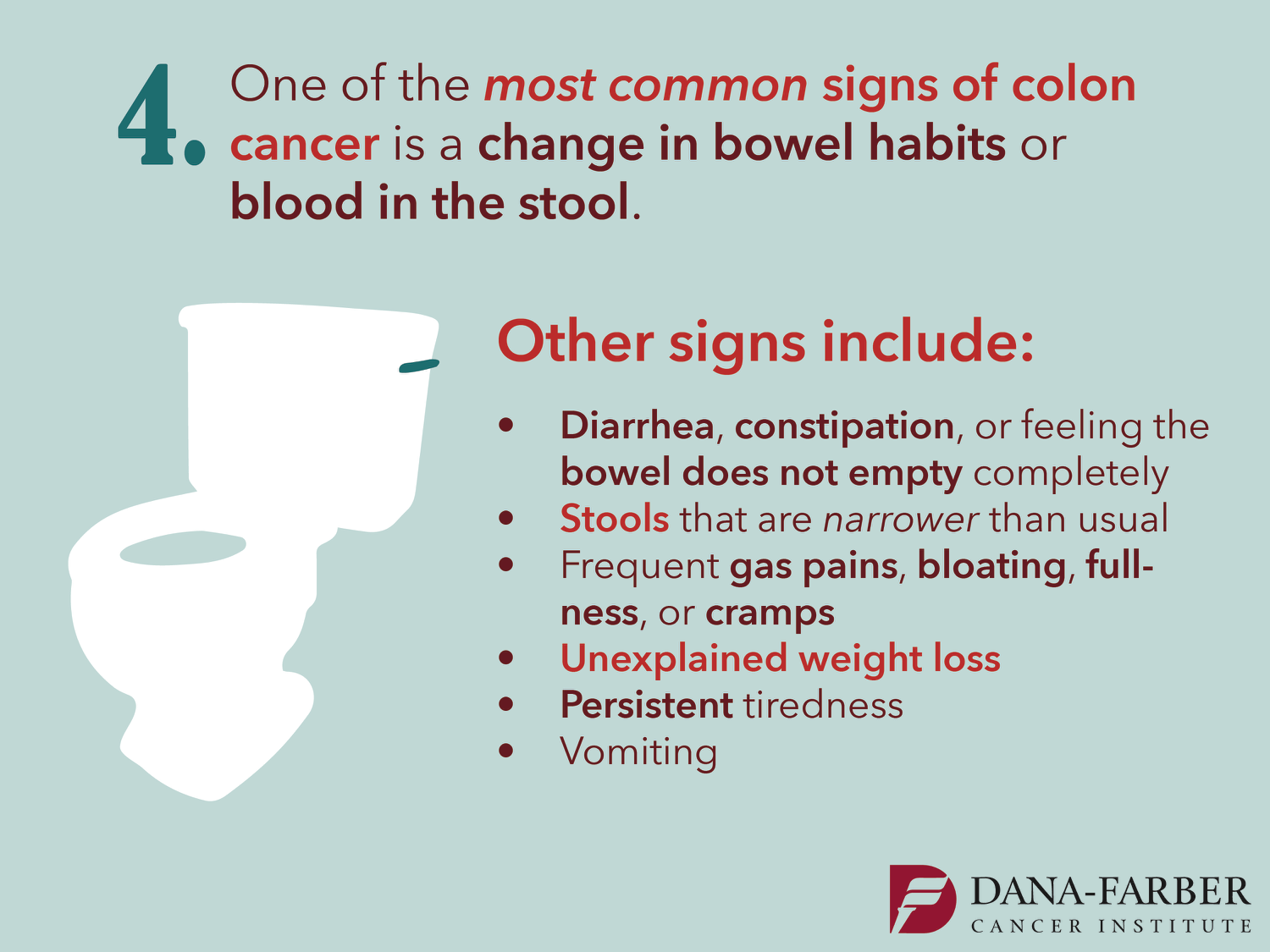
One of the most common signs of colon cancer is a change in bowel habits or blood in the stool. Other signs include:

  • Blood in the stool or toilet bowl
  • Anemia (low red blood cell counts) that can lead to tiredness or shortness of breath.
  • Diarrhea, constipation, or feeling the bowel does not empty completely
  • Frequent bowel movements, gas pains, bloating, fullness, or cramps
  • A change in the shape and size of stools. Polyps and cancer in the colon or rectum, for example, can impact the size of the passage, causing narrower stools.
  • Unexplained weight loss
  • Persistent tiredness
  • Vomiting
  • Weakness or fatigue

While these are often caused by other, non-cancerous conditions such as irritable bowel syndrome or stress, check with your doctor if you exhibit any of these symptoms to determine the right diagnosis. Learn more about what you need to know about signs and symptoms.

How is colorectal cancer diagnosed?

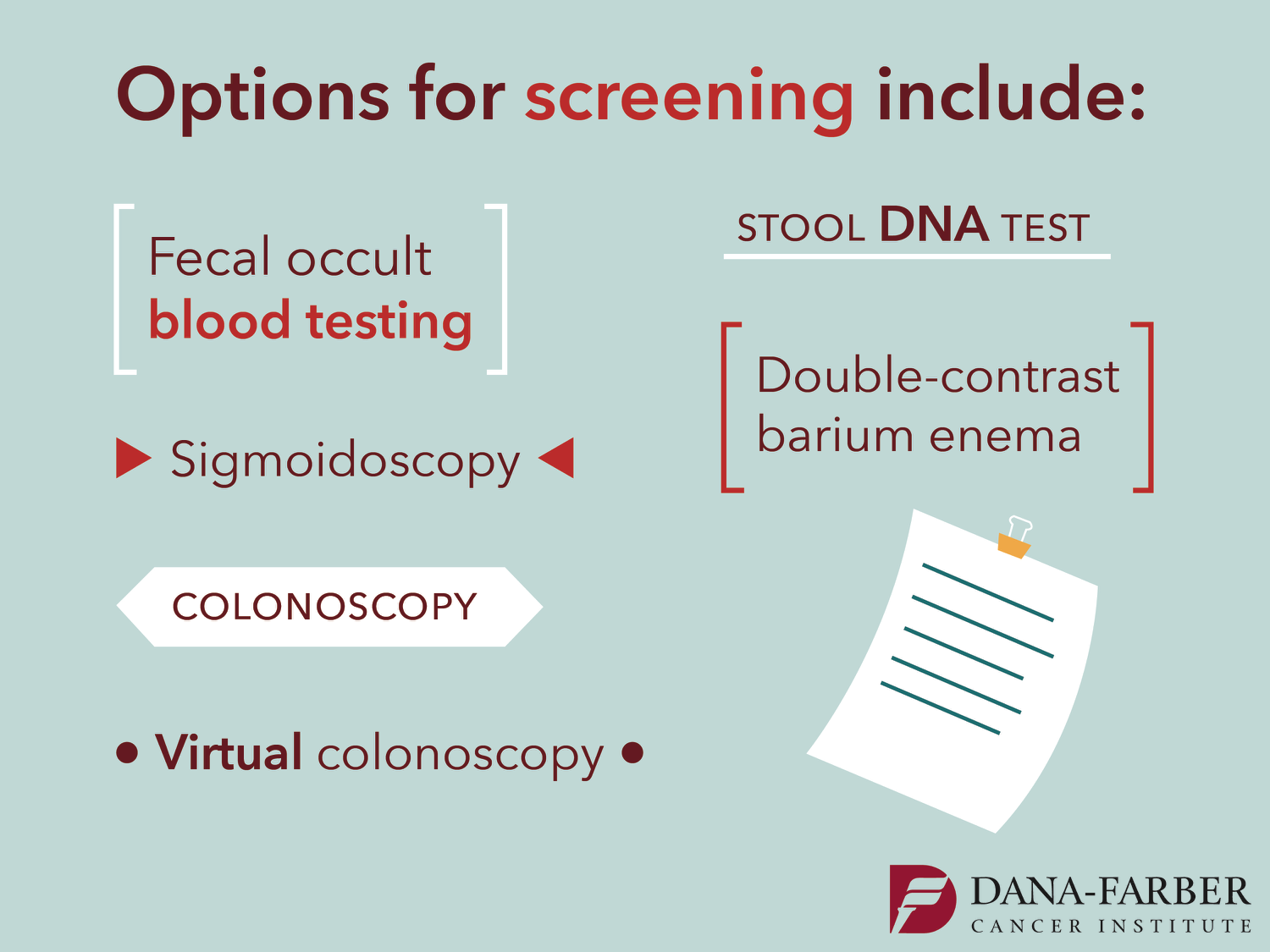
Colorectal cancer is primarily diagnosed with a colonoscopy, which should be performed either if a screening exam like a blood test is abnormal or if a patient has concerning signs and symptoms. A colonoscopy is a procedure that examines the whole intestine and allows doctors to detect and then, if needed, help prevent cancer by removing precancerous clumps of cells called polyps.

The gold standard for colorectal cancer screening is a colonoscopy and generally recommended every five to ten years but depends on your risk factors and if a prior colonoscopy found polyps.

Colorectal cancer can also be detected with stool and blood tests, which are noninvasive and allow doctors to check the stool and blood for signs of colon cancer even if patients are not having symptoms. These tests are generally done annually. You should discuss with your doctor which screening test may be appropriate for you.

How is colorectal cancer treated?

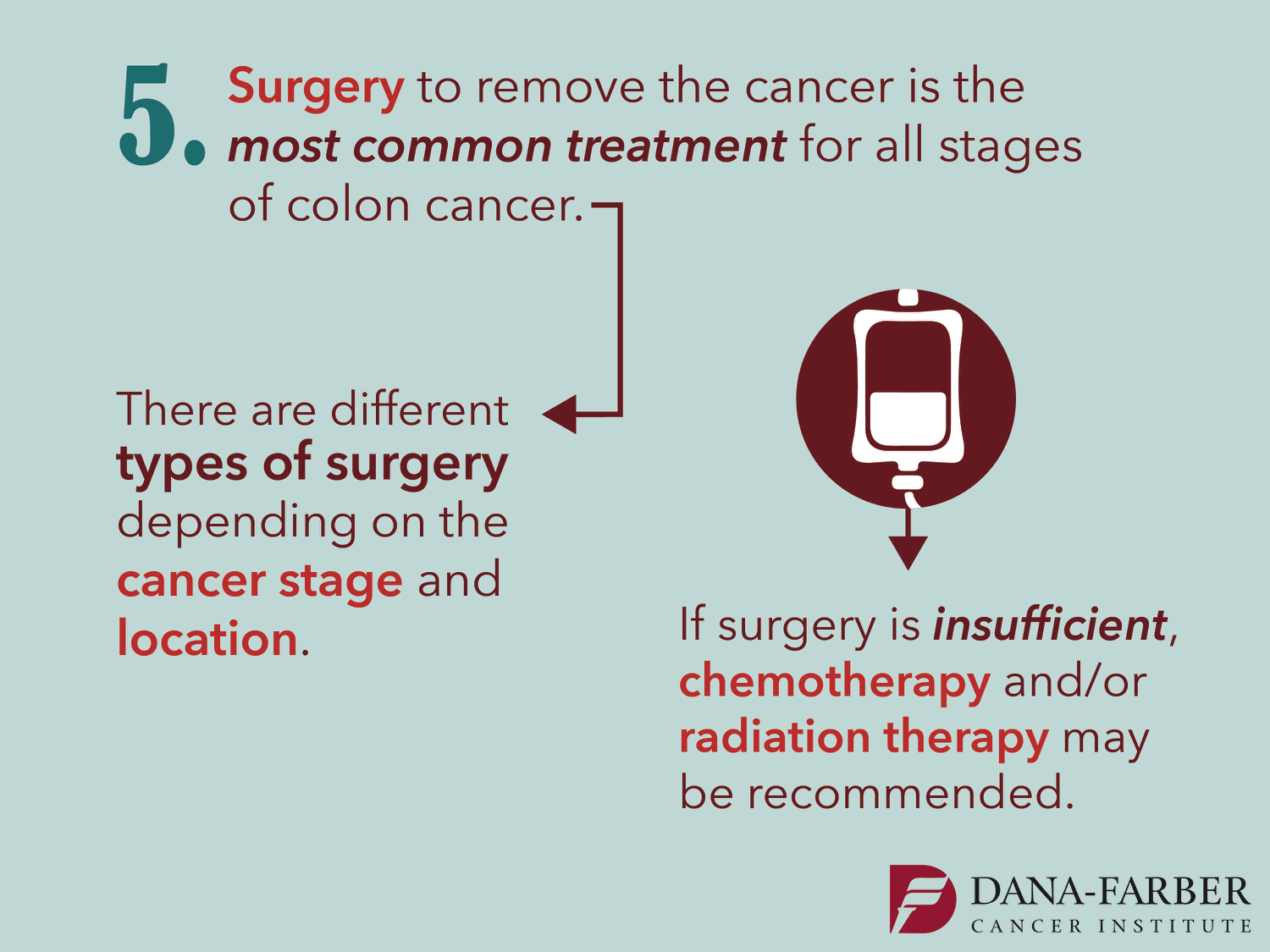
The most common treatment for all stages of colorectal cancer is surgery. There are different types of surgery depending on the cancer’s stage and location. Stage and location will also determine if your doctor will recommend chemotherapy and/or radiation, either before or after surgery.

If colorectal cancer spreads outside the area around your colon or rectum, your doctor will discuss best treatment options, which may include surgery, radiation, ablation, chemotherapy, targeted therapy, or immunotherapy. Clinical trials are also an option. However, consult your doctor to determine the best approach.

How can I prevent colorectal cancer?

Preventing cancer can be a challenge due to genetic or environmental factors, but there are many ways to stay on top of your health,

  • Get screened.
  • Choose foods that provide you with nutrients that fuel your body, including fruits, whole grains, beans, vegetables, nuts, and seeds. Many of these foods include fiber that promote digestion and positive stool habits.
  • Stay physically active.
  • Maintain a healthy weight.
  • Reduce processed foods and/or red meat.