
By Stacy Kennedy, MPH, RD

When it comes to sun safety, lathering on sunscreen, sporting broad-brimmed hats and staying in the shade surely come to mind. But diet and melanoma may also be linked.
Here is some information on the emerging research around obesity, antioxidant intake, vitamin D and other potential nutrition-related links to melanoma.
Obesity & Melanoma
At any age, maintaining a healthy weight is one of the most important strategies for cancer prevention, including melanoma. While there have not been many in-depth studies on the topic, obesity is emerging as a potential risk factor for developing certain kinds of skin cancers.
Studies show overweight and obese men carry a 31 percent increased risk of malignant melanoma. Research continues on whether this risk is the same for women, however, women who were overweight or obese reported spending less time exposing skin to the sun. In fact, some studies have shown that women with a higher body mass index (BMI) may have a lower risk for developing malignant melanoma, basal cell carcinoma and squamous cell carcinoma, compared to men with a high BMI.
Researchers in the UK have also identified a potential genetic link between obesity, overeating and melanoma risk. They report that a variation in the FTO gene, called intron 8, may be a culprit in this connection and further study should be conducted. Preliminary research in mice also shows caloric restriction may help slow melanoma cancer progression.
Antioxidants and Melanoma
Antioxidants, such as retinol, are important for a healthy immune system. Studies have found that higher intake of retinol-rich foods, such as fish, milk, eggs, dark green leafy vegetables, and orange/yellow fruits and vegetables led to a 20 percent reduced risk of developing melanoma.
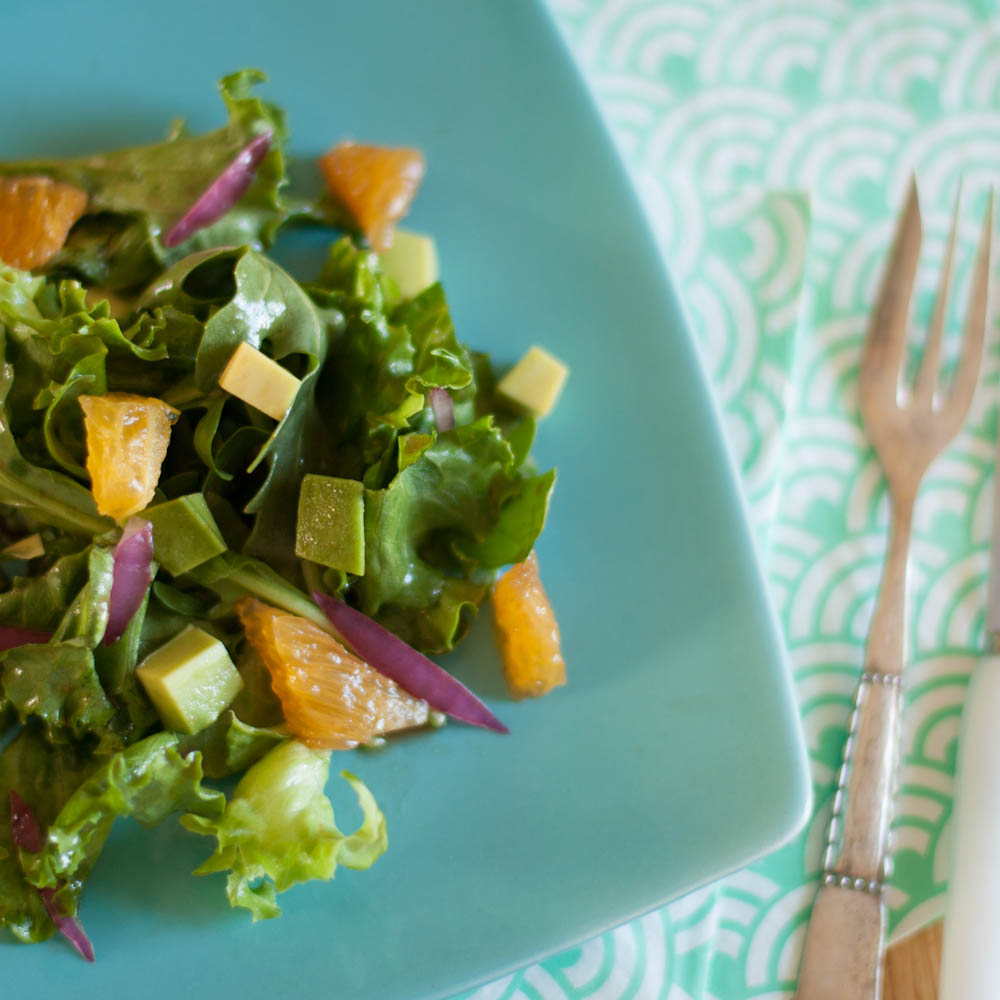
Studies show selenium-rich diets may also reduce risk for melanoma and support survivorship. Foods rich in this antioxidant include Brazil nuts, scallops, lobster, barley, oats, whole wheat, wheat germ and milk. Preliminary studies with green tea also show possible benefits in melanoma prevention, but research remains in its infancy.
Aim to get antioxidants from foods instead of supplements. Previous studies have linked high dose supplements to increased risk of certain cancers and diabetes.
Vitamin D
There is a lot of research on the relationship between vitamin D and cancer. Low blood levels of vitamin D have been associated with an increased risk for developing melanoma and worse survivorship outcomes. It’s important to note that more is not always better; benefits do not continue to increase infinitely with more vitamin D intake, and there are risks associated with excessive vitamin D levels. Keep an open conversation with your doctor about any vitamins or supplements you plan to take.
Learn more about healthy eating by visiting the Dana-Farber/Brigham and Women’s Cancer Center Nutrition Services website, or by watching our Eating Well During Cancer series. You can also find healthy recipes in Dana-Farber’s Health Library or by downloading our Ask the Nutritionist app.
This is quiet impressive. Increased risk for melanoma is associated with the presence of several known host risk factors such as light complexions and skin reactivity to sun exposure (burning versus tanning; ref. Other host risk factors include presence of dysplastic nevi, prior history of cancer, family history of melanoma, and immunosuppression. Other than sun exposure, there are few known exposures that increase the risk for melanoma . Diet has been hypothesized to be a possible modifiable risk factor for melanoma, and previous research suggests that certain nutrients may protect against development of melanoma, whereas other nutrients may promote its development . Therefore, further investigation of dietary factors may ultimately provide a means to alter risk for susceptible individuals as well as provide information on biological mechanisms of the disease process.
Intake of carotenoids and vitamins C, E, D, and A are hypothesized to reduce risk of developing melanoma. Carotenoids, vitamin C, and vitamin E, because of their photoprotective and antioxidant properties, are hypothesized to protect against the photooxidative damaging effects of solar radiation on skin. Some human supplementation trials have shown that intake of these antioxidants suppresses the sunburn reaction/light-induced erythema of human skin. Vitamins D and A, the receptors of which are found in human malignant melanoma cancer cell lines, are thought to prevent proliferation of malignant melanoma cells or promote their differentiation and apoptosis, as supported by studies in human melanoma cells.
we actually do not know what causes melanoma. Unlike basal and squamous cell carcinomas which are certainly sun accumulation related sun exposure is not as shown by acral melanomas which are very aggressive. Some of your risk factors are correct but some are not. Your observations are more in line with BCC and SCC skin cancers.
One might thinks since the metal iron is closely associated with melanoma, then meat, with its highly absorbable form of iron, heme iron, would be a bad thing to ingest if one wishes to prevent melanoma?
“ascorbate decreases cellular iron uptake by melanoma cells in a dose- and time-dependent fashion, indicating that intracellular iron levels may be a critical factor in sodium ascorbate-induced apoptosis”